Writing Project Stories Homeowners Finish Reading
The homeowner expects a project story to be a brag sheet. What holds attention is the opposite: a plain account of what went wrong and how it was handled. The way the pages on kitchen remodeling content marketing los angeles center for creativity lay out a job puts the problem first, and a kitchen in Los Angeles, CA gives you problems worth telling.
Open with the problem the room had
A kitchen with one working outlet, a soffit hiding a duct, or a window that looked at a neighbor wall. State it in the first lines. Owners planning a long project are scanning for someone who has seen their situation before, and the problem is how they recognize it.
Show the decisions, not the shopping list

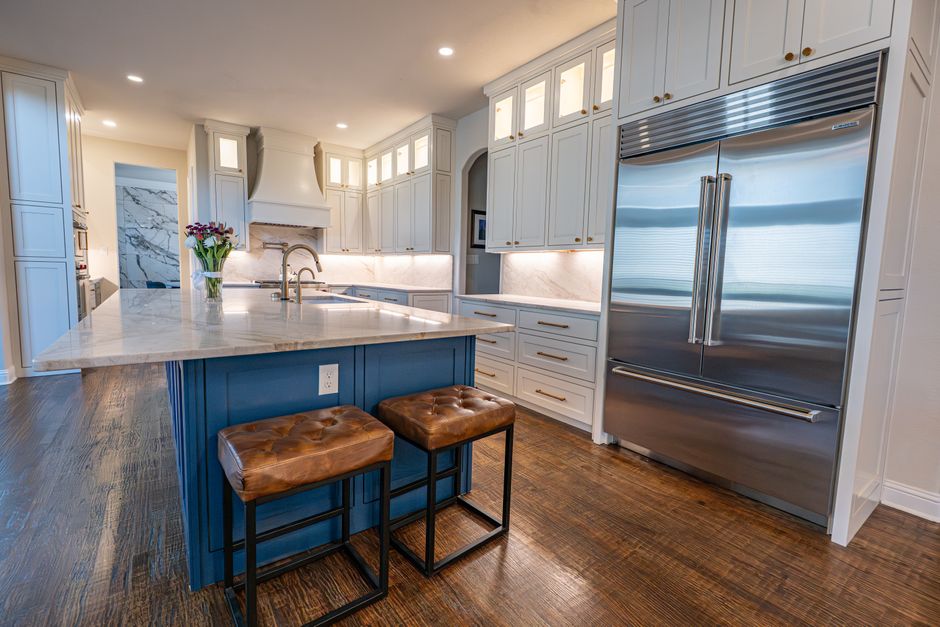
A list of materials tells a reader nothing. A decision does: the island was shortened so two people could pass, the range stayed on the same wall to avoid moving the gas line, the pantry went into the hallway. Each decision shows judgment, which is what the owner is buying.
Include one thing that surprised the crew
Old Pasadena houses hide plenty. Behind a Silver Lake wall there may be knob wiring or a patched beam. Telling the surprise and the fix proves the company looks before it builds, and it gives the story a middle instead of a straight line.
Keep the timeline visible
Say how the weeks were laid out: demolition, rough work, inspection by the Los Angeles Department of Building and Safety, cabinets, counters, finish. Owners in Glendale or Santa Monica worry about living without a kitchen, so describe how the crew set up a temporary sink and where the family ate.
End on the room in use
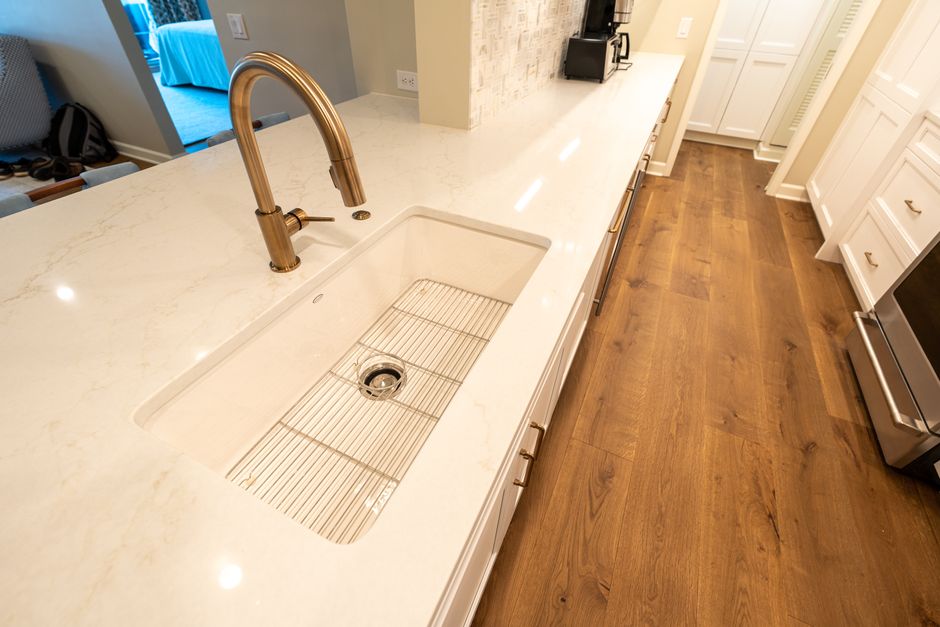
Finish with a photo of the kitchen with dishes in the rack or a cutting board out, not a staged empty counter. One sentence on how the owners use it now is enough. A story that ends on daily life reads as true, and the reader is more likely to reach out about their own room.
Cut what the reader will skip
Trim supplier names, long dimension lists and every sentence that exists only to sound impressive. A story of a few hundred words that covers the problem, two decisions, one surprise and the finished room will be read more often than a long one. Owners in Los Angeles County are comparing several remodelers at once, and the short, specific story is the one they remember when they sit down to decide.