Kitchen Remodeling Content Marketing in Los Angeles, CA
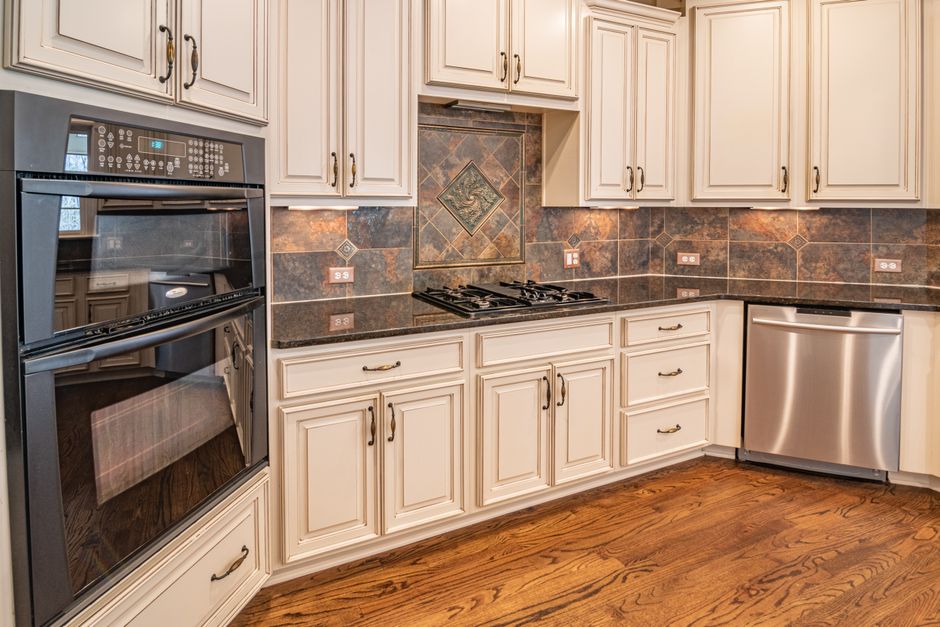
Practical notes on content marketing for kitchen remodeling companies in Los Angeles, CA: project stories, permit explainers, neighborhood pages and photo captions.
What We Cover
- Explaining Los Angeles Kitchen Permits in Plain Words Homeowners search for permit answers before they hire, so a clear explainer from a remodeler earns trust early.
- Material Comparison Guides for Kitchen Buyers Countertop, cabinet and flooring comparisons answer the questions buyers ask before they ever request a consult.
- Neighborhood Pages for a Kitchen Remodeler Pages for Silver Lake, Pasadena or the Westside work only when each one reflects the homes and streets there.
- Photo Captions That Help Kitchen Galleries Get Found Plain captions naming the room, the layout and the neighborhood make a project gallery easier to find and easier to trust.
- How One Finished Kitchen Becomes Several Pieces of Content A Los Angeles remodeler can stretch a single completed kitchen into a story, a gallery, a caption set and a planning guide.
- Writing Project Stories Homeowners Finish Reading A good project story follows the problem, the decisions and the finished room instead of listing materials.
Kitchen Remodeling Content Marketing in Los Angeles, CA
A kitchen remodeling company in Los Angeles, CA has a lot to show and often shows very little of it. Finished rooms sit in a camera roll, permit lessons stay in the project manager's head, and the neighborhoods the crew knows best never appear on the website. This site is about turning that work into content a homeowner can actually use.
What a remodeler has to publish
The raw material is already there: a project story for each job, a planning explanation of the decisions made, photographs with plain captions, and answers to the questions owners ask on every consult. Homeowners researching a large project read widely before they call anyone, and the company that explains things clearly tends to be the one they remember.
Why Los Angeles shapes the writing
Los Angeles County covers hillside bungalows in Silver Lake, Craftsman houses in Pasadena, mid-century homes on the Westside, condos in Santa Monica and family houses across Glendale and the San Fernando Valley. Each brings different access, different surprises behind the walls and different dealings with the Los Angeles Department of Building and Safety. Good content names those differences instead of smoothing them over.
How the pieces fit together
One finished kitchen can become a story, a gallery with captions, a material comparison and a permit explainer. Published on a schedule and written in plain words, those pieces keep working long after the cabinets are installed, and each one answers a real question from an owner who is still deciding.
Guides
The pages here cover turning one kitchen into several pieces, explaining permits in plain words, writing neighborhood pages, telling project stories, comparing materials and captioning gallery photos. Each is written in plain language for the owner of a Los Angeles kitchen remodeling business who wants the work to be understood.
Latest Guides
How Can a Los Angeles Kitchen Remodeler Turn Finished Jobs Into Referrals and Reviews?
2026-10-06
The last day of a kitchen remodel in Los Angeles, CA is usually quiet. The crew loads the truck, the owner runs a hand along the counter, and the project manager sends the final paperwork. For many remodelers that is the end of the relationship. It should be the start of the next one, because a finished kitchen is the best marketing a remodeling company ever produces, and it only works if someone collects it.
Why do finished jobs matter more than ads?
A homeowner choosing a remodeler is taking a risk with a large part of their house and a long stretch of their life. Advertising can introduce a company, but it cannot lower that risk. Another homeowner who has already been through the process can. That is why referrals and reviews carry so much weight in remodeling, and why the weeks after completion are worth more attention than most companies give them.
The work itself also becomes content. A finished kitchen supplies photographs, a project story, lessons for planning pages and sometimes a permit example. A remodeler who treats completion as a harvest, not an ending, builds a library that keeps answering questions for years.
What should happen in the first week after completion?
The first week is for the owner, not the marketing plan. Check that every punch list item is closed, that the owner knows how to care for the counters and cabinet finish, and that any warranty paperwork is in their hands. A short visit or call a few days after the crew leaves tells the owner the company is still paying attention.
Once that is done, and only then, the conversation can turn to the kitchen as a story. Owners are usually proud of the result and glad to talk about it. Asking what they like best, what surprised them during the project and what they would tell a neighbor gives the remodeler honest material and shows the owner that their view matters.
A simple order of operations
- Close the punch list and confirm the owner is satisfied.
- Photograph the finished room while it is clean and the light is good.
- Ask permission before using any photograph or description of the home.
- Invite the owner to share their experience in whatever way they prefer.
- Write the project story while the details are fresh.
How should a remodeler ask for a review?
The best request is specific, easy and unforced. Tell the owner where a review would help, give a direct way to leave one, and make clear that an honest opinion is welcome. Do not offer anything in exchange, and do not ask while the owner is still frustrated about a delay or a scratch that has not been fixed.
Timing matters. A request sent a week or two after completion, once the owner has lived in the kitchen, tends to produce thoughtful comments about how the room works. A request sent the same afternoon often produces a short line about the crew. Both are fine, but the first is more useful to the next homeowner reading it.
When a review arrives, read it carefully and answer it in a calm, specific way. A reply that thanks the owner and mentions a real detail from the job shows that a person is behind the company. If the review is critical, respond without defensiveness, say what will be done, and then do it. Prospective owners read how a company handles a complaint almost as closely as they read the praise.
Where do referrals actually come from?
Referrals come from people who have a reason to speak and an occasion to do it. A past client rarely recommends a remodeler out of the blue. They do it when a neighbor mentions a leaking sink, or when a friend is planning to sell. The remodeler's job is to be easy to recall and easy to describe.
That means a clear sentence about what the company does, a memorable detail from the job, and a quick way for the friend to see the work. A project page with good photographs and a plain story is something an owner can forward in a single message. Without it, the owner has to explain the remodeler from scratch.
Other sources worth tending
- Designers and architects who need a builder they can trust with their drawings.
- Real estate professionals whose clients want a kitchen updated before a sale or after a purchase.
- Tile, cabinet and countertop suppliers who see which remodelers are careful and which are not.
- Neighbors of a finished project, who watched the crew work and saw how the site was kept.
How do neighborhoods change the referral picture?
Los Angeles County is not one market. A completed kitchen in Silver Lake reaches neighbors on the same hillside who share similar houses and similar access problems. A job in Pasadena reaches owners of Craftsman homes who want to keep original character. The Westside, Santa Monica, Glendale and the San Fernando Valley each have their own housing stock and their own conversations.
A remodeler who documents jobs by neighborhood can show a prospect from the same area a kitchen they might recognize. That recognition is persuasive in a way that a general portfolio is not. It also gives the company honest, location specific pages that reflect real work and not a template.
What is the difference between a review and a project story?
A review is the owner's voice, short and unedited, and it belongs on the platform where the owner wrote it. A project story is the company's voice, longer and more structured, and it belongs on the company's own site. They do different jobs. The review says someone was happy. The story shows how the problem was solved.
The two work best together. A prospect who reads a project story about a hillside kitchen and then sees an owner comment about how well the crew communicated is getting two sources that agree. Neither should be copied into the other. Keep reviews where they were written and link nothing from a story that pretends to be one.
Frequently asked questions about reviews and referrals
Is it appropriate to ask every client for a review?
Ask every client who is satisfied, and handle the unhappy ones first. A company that asks only after resolving problems collects more honest feedback and avoids the awkward experience of requesting praise from someone with an open complaint.
Should a remodeler post photographs of a client's home?
Only with permission, and with care about what is visible. Owners may not want street numbers, family photographs or valuables in the frame. A quick conversation before the shoot avoids problems and often leads to better pictures, because the owner helps prepare the room.
How long should a project story be?
Long enough to cover the problem, the main decisions, one surprise and the finished room. A few hundred words is often plenty. Length does not make a story better, but specific detail does.
What if a past client is not willing to say anything publicly?
Respect that. Some people prefer privacy, and a remodeler who pushes will lose the goodwill that referrals rely on. A private word to a friend can be worth more than a public line, and it cannot be forced.
Can a remodeler thank a client who sends a referral?
A genuine thank you note is always welcome. Keep it personal and free of obligation, so that the referral stays an act of goodwill and not a transaction.
How does this connect to the rest of the marketing?
Everything above feeds the pages a remodeler publishes. The photographs go into a captioned gallery, the story becomes a project page, the lessons turn into planning content, and the neighborhood detail supports pages for the areas the company serves. The owner's comments, kept where they were written, support trust without being repackaged.
A remodeler who works this way ends up with a website that reflects real jobs, which is exactly what a careful homeowner wants to see. Each finished kitchen adds to it, and the effort required is a few extra hours near the end of each project.
The end of a remodel is a good time to listen, to photograph and to write while the details are still fresh.

How Should a Los Angeles Kitchen Remodeler Follow Up After a Design Consult?
2026-10-06
A homeowner in Los Angeles, CA meets a kitchen remodeler on a Tuesday, walks the room, talks about the layout, and then says the sentence every remodeler knows: the family needs time to think about it. What happens in the following three weeks decides whether the job is booked or quietly goes to someone else. Most of that stretch is silence, and the remodelers who handle it well are not the pushiest. They are the ones who stay useful.
Why does the quiet period matter so much?
A kitchen remodel is a large decision made slowly. The owner is comparing several companies, talking to a spouse, checking a budget they have not shared, and often waiting on a separate decision such as a refinance or a move date. The remodeler has no control over any of that. What the remodeler does control is whether the owner has a clear picture of the project, a sense of who they would be working with, and a reason to feel good about replying.
The weeks after a consult are also when memory fades. The owner talked to three people in one month, and by the second week the details blur. A plain, specific follow up written within a day of the visit helps the owner remember which company noticed the problem with the soffit and which one only talked about finishes.
What should the first message after the visit say?
The first message should prove the visit was listened to. A short note that restates what the owner wanted, names the one or two things that will shape the job, and says what the next step is will do more than a polished presentation. If the walk through turned up an old gas line on the wrong wall, say so. If the owner mentioned that the family cooks together, say the layout will protect that.
Keep it to a few paragraphs. Leave out the company history and any claim about quality. The owner has already seen the website, and the message is not a second brochure. It is a record of a conversation, written clearly enough that the owner could forward it to a spouse who was not at the consult.
What to include, and what to leave out
- The goals the owner stated, in the owner's own words where possible.
- The constraints found on site, such as a load bearing wall, a window that cannot move, or a narrow service entry.
- The decisions still open, listed plainly so the owner can see what is left.
- The next step and who takes it, with a date that the remodeler commits to.
Leave out pressure. Phrases about limited schedules or a start date that might disappear read as a sales tactic, and a homeowner planning a long project can tell.
How often should a remodeler reach out?
There is no perfect rhythm, but there is a bad one: contact on the first day and then nothing for a month, or contact every other day. A pattern that works in practice is a message within a day of the visit, a second touch when something useful is ready, and a third a couple of weeks later that asks one easy question. Each contact should carry something new.
The second touch might be a sketch of the layout the owner liked, a short note on how long the permit review has been taking at the Los Angeles Department of Building and Safety, or photographs of a finished kitchen with a similar footprint. The third can simply ask whether the owner would like the proposal updated or whether the timing has changed. A question that is easy to answer gets answered.
What can a remodeler send that is actually useful?
Useful means it saves the owner work. A homeowner in Pasadena who is weighing an island against a peninsula does not need a general article about kitchen trends. They need a short explanation of how each option would work in their room, with one photo of each from a finished job. A homeowner in a Silver Lake hillside house may care more about how materials get delivered up a steep street, and an honest paragraph about that is worth more than a gallery.
The same material that supports a website supports follow up. A permit explainer, a material comparison, and a project story about a similar house all work as attachments or links in a message. This is where content and sales meet: the pages written for search visibility are the same pages a salesperson can send to a hesitant owner.
How should a remodeler handle the question about timing?
Owners ask when work could start and how long it will take, and the honest answer has several parts. Design takes a certain stretch, permit review takes a stretch the remodeler cannot control, cabinets and counters have lead times, and the construction itself runs for weeks. Present these as a sequence rather than a single number.
A short written timeline, with the parts that depend on others clearly marked, protects both sides. If the owner later asks why the kitchen is not finished, the remodeler can point to the stage that took longer than expected and explain why. Owners forgive delay they were warned about far more easily than delay that appears from nowhere.
When is it time to stop following up?
Following up is useful until it becomes noise. If the owner has not replied to three thoughtful messages, one final note is enough. It should be warm, say the door is open, and ask nothing. Many owners return months later because the last message from one company was kind and the last message from another was a reminder that the quote expires.
Track these owners. A kitchen project that stalls in spring is often alive again in autumn, once a decision elsewhere is settled. A remodeler who kept a simple note on each prospect, including what the owner cared about and what held things up, can reopen the conversation in one message instead of starting over.
Frequently asked questions about follow up
Should the follow up come from the owner of the company or from an office person?
The first message works best from the person who walked the room, because it refers to things only that person saw. Later logistical touches can come from an office coordinator, as long as the tone stays personal and the message does not look like an automated sequence.
Is a phone call better than a written message?
Both have a place. A written message gives the owner something to forward and reread. A call suits a question that needs a quick answer or an owner who rarely replies in writing. Many remodelers send a message and then offer a call, which lets the owner choose.
What if the owner says another company is cheaper?
Do not argue with a number the remodeler cannot see. Ask what the other proposal includes, and offer to compare scope, schedule and materials line by line. Often the difference lies in something left out, such as cabinet hardware, wall repair after demolition, or permit handling, and showing that calmly is more persuasive than defending the price.
How much detail belongs in a proposal that follows a consult?
Enough that the owner can see what is included and what is not, in plain words. Long documents full of trade terms go unread. A clear scope, a clear timeline and a clear list of owner decisions will outperform a thick packet.
Does the neighborhood matter in the follow up?
Yes. An owner in Santa Monica, Glendale or the San Fernando Valley is dealing with a specific house, specific access and sometimes a specific office for review. Mentioning that the remodeler has worked on similar houses nearby shows familiarity without a claim about quality.
How do the website and the follow up work together?
Owners usually look at a remodeler's website again after the consult, often several times. They are checking whether the company looks the same on the page as it did in the kitchen. If the follow up message mentions a project story or a permit explainer, the owner clicks through, and the page confirms what was said. If the site has no such pages, the message has nothing to point at.
This is the practical argument for publishing project stories, planning guides and plain explanations: they are working tools for the sales conversation as well as pages that get found in search. A remodeler who writes them once can send them again and again, to every hesitant owner in every neighborhood.
The weeks after a consult are quiet by nature. Staying useful through them, one specific message at a time, is what keeps a remodeler in the running.