Neighborhood Pages for a Kitchen Remodeler
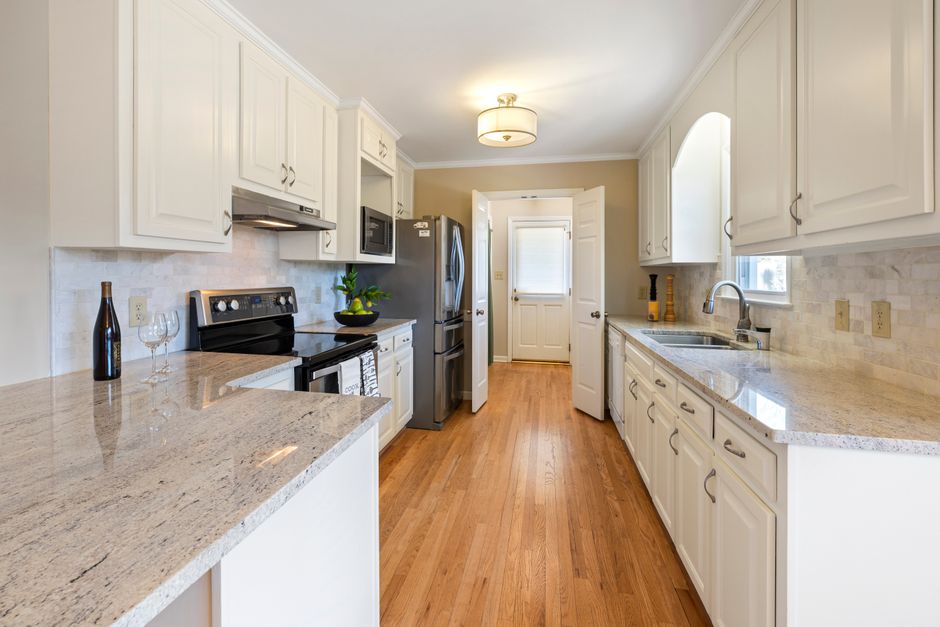
By the time the third neighborhood page goes live with the same paragraph and a new name dropped in, the whole set has already stopped being useful. A bowed wall shows up at the backsplash, as the notes at kitchen remodeling content marketing los angeles center for creativity describe, and a kitchen page for Los Angeles, CA should be built from details like that, not from a template.
Start from the housing stock
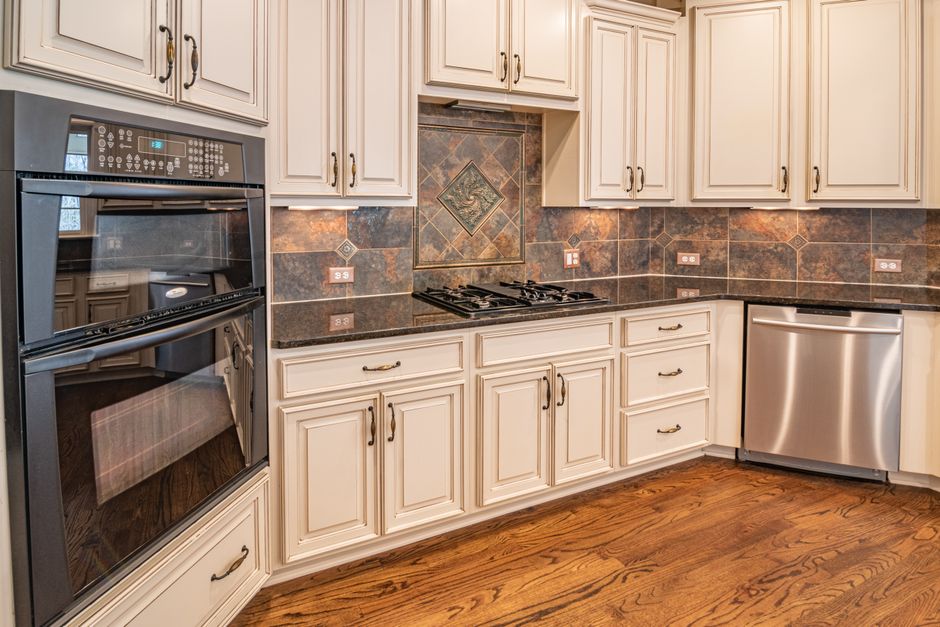
Silver Lake has hillside bungalows with tight footprints and older wiring. Pasadena has Craftsman houses where owners want original character kept. The Westside has mid-century ranches that open easily to a living room. Each area suggests a different kitchen conversation, and the page should lead with it.
Use photos from that area
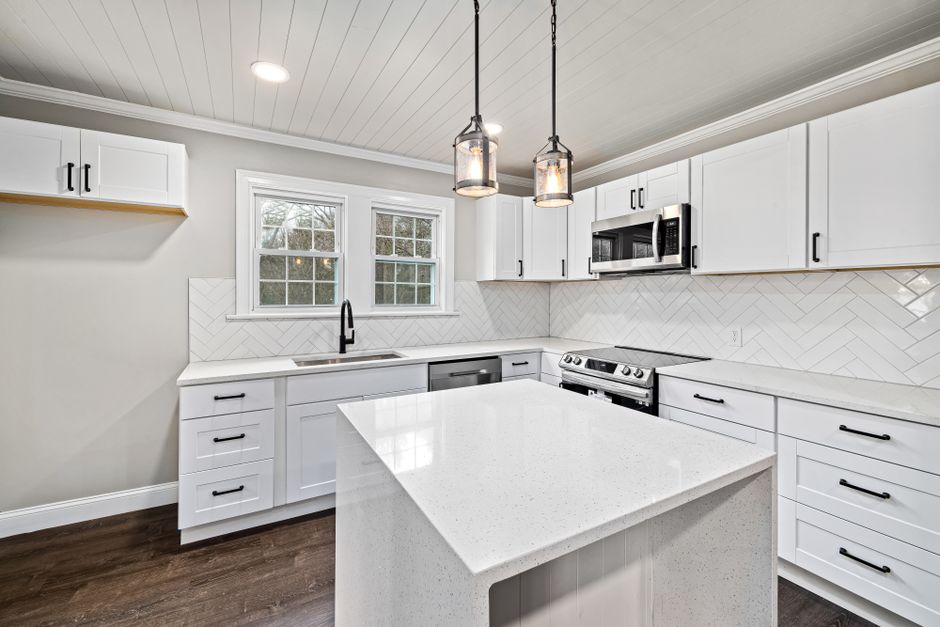
A page about Glendale with a photo from a Santa Monica job is a quiet mistake. Pick a finished kitchen actually completed near the neighborhood, caption it with the layout and the finish, and mention one thing the job had to solve there, such as a narrow driveway for deliveries.
Write about access and logistics
Parking, street width, elevator rules in a condo building, and hillside deliveries all shape a job. A paragraph on how the crew handles them is more convincing than a paragraph praising the area. It also differs naturally from one page to the next.
Mention the permit reality
Some parts of Los Angeles County have their own review habits, and owners in the San Fernando Valley may deal with a different office than owners inside the city. Say plainly which situations the company has handled. Do not promise a result.
Keep the set small and honest
Five neighborhood pages with real content beat thirty thin ones. Start with the places where finished work already exists, add a page only when a new kitchen gives it something to say, and leave out areas the company does not actually serve.
Let each page end differently
Close a Pasadena page with a note about preserving original millwork and a Westside page with a note about opening a kitchen to the yard. Silver Lake might end on slopes and stairs. When the final lines of every page match the area, the set stops reading as one document copied several times, and each page earns its own place for a homeowner searching that neighborhood by name.