Photo Captions That Help Kitchen Galleries Get Found
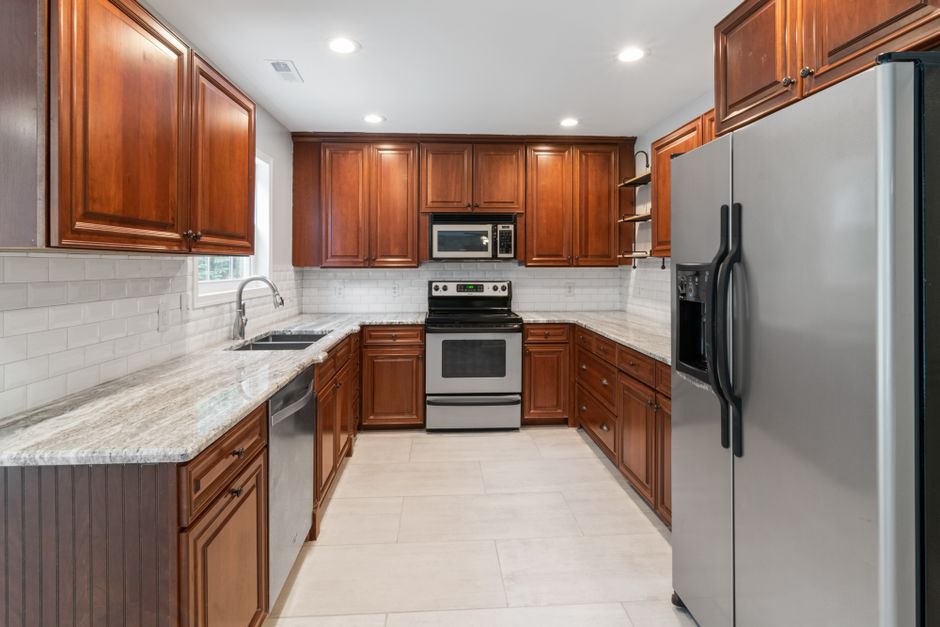
The photo costs an afternoon of shooting. The caption costs four minutes, and it is the part most remodelers skip. The way kitchen remodeling content marketing los angeles center for creativity handles gallery text is short and literal, which suits a kitchen company in Los Angeles, CA that wants each image to be understood without a paragraph around it.
Say what the photo shows
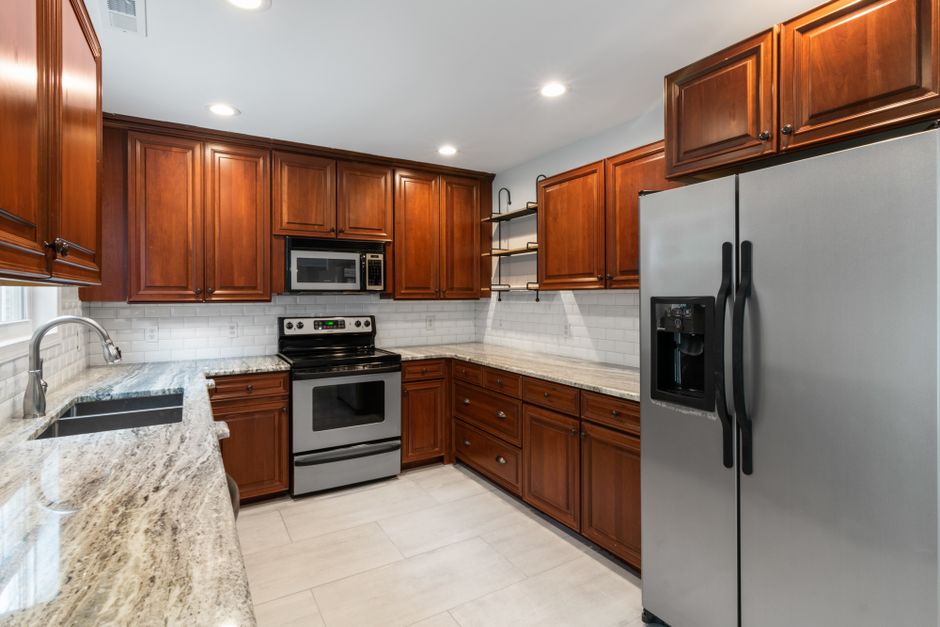
Name the layout, the main surface and the view. A caption such as L-shaped kitchen with white perimeter cabinets and a walnut island, seen from the dining room tells a visitor and a search engine exactly what is there. Avoid slogans and adjectives that could describe any room.
Add the place, once
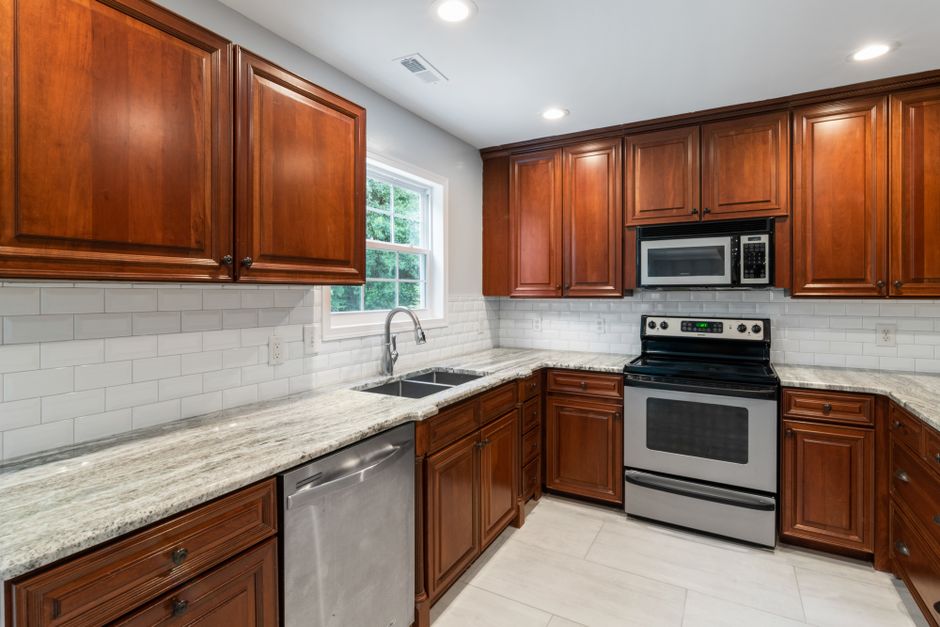
Where it helps, name the area: a hillside kitchen in Silver Lake, a Craftsman remodel in Pasadena, a condo in Santa Monica. One mention is enough. Repeating the neighborhood in every caption reads as stuffing and makes the gallery tiring.
Note one thing the room solved
A caption that says the pantry was built into a former hall closet is more useful than five that say beautiful kitchen. Pick a single detail per image, such as a relocated sink, a column that was boxed in, or a window that was widened, and state it plainly.
Write alt text for the person who cannot see it
Alt text is a description for someone using a screen reader, and it happens to help search too. Describe the image in one sentence, without the keyword list. If the page covers a Glendale remodel, the alt text still describes the cabinets and the counter, not the city.
Group images in a sensible order
Order a gallery as a visit: the room from the entry, the work areas, the details, then the finished view. Add a short intro line above it mentioning the job and any review by the Los Angeles Department of Building and Safety. Owners across Los Angeles County browse by looking at layouts like theirs, and a clear order helps them find it.
Keep captions consistent across the gallery
Pick one caption pattern and stay with it: the layout first, then the main surface, then one detail. A visitor scanning thirty images learns the pattern in a minute and then reads faster. Consistency also makes it easier for the crew to write captions straight after a shoot instead of leaving them for later, which is how most galleries end up with none at all.